

THE VISION

Verden Klike maps platform fidelity onto two hardware tiers. First, MR HMDs like Valve’s Steam Frame achieve immersion across all five core illusions. Native 6DoF tracking captures head, eyes, and hands movement. Verden then uses AI and external mocap to simulate facial expressions and track full body motion.
3D Media
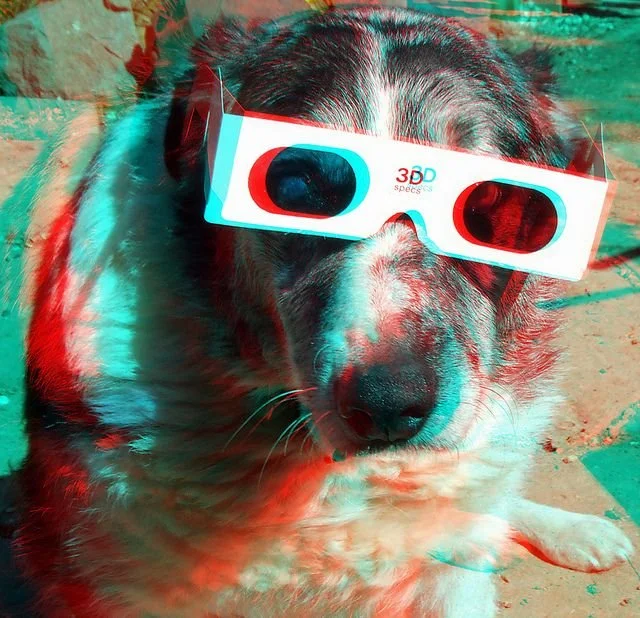
Four Illusion MR (4I-MR) trades the place illusion for physical reality integration. It does this to save on compute by using color pass through video and open peripheral vision design for the environment. Current 4I-MR HMDs include Google (Galaxy XR) and Apple (Vision Pro) developer kits. They feature motorized interpupillary distance (IPD) adjustment and are initially marketed for 3D video content viewing. Built-in sensors natively capture the user's head, eyes, face, and fingers, and external mocap tracks full body movement.
AI MoCap
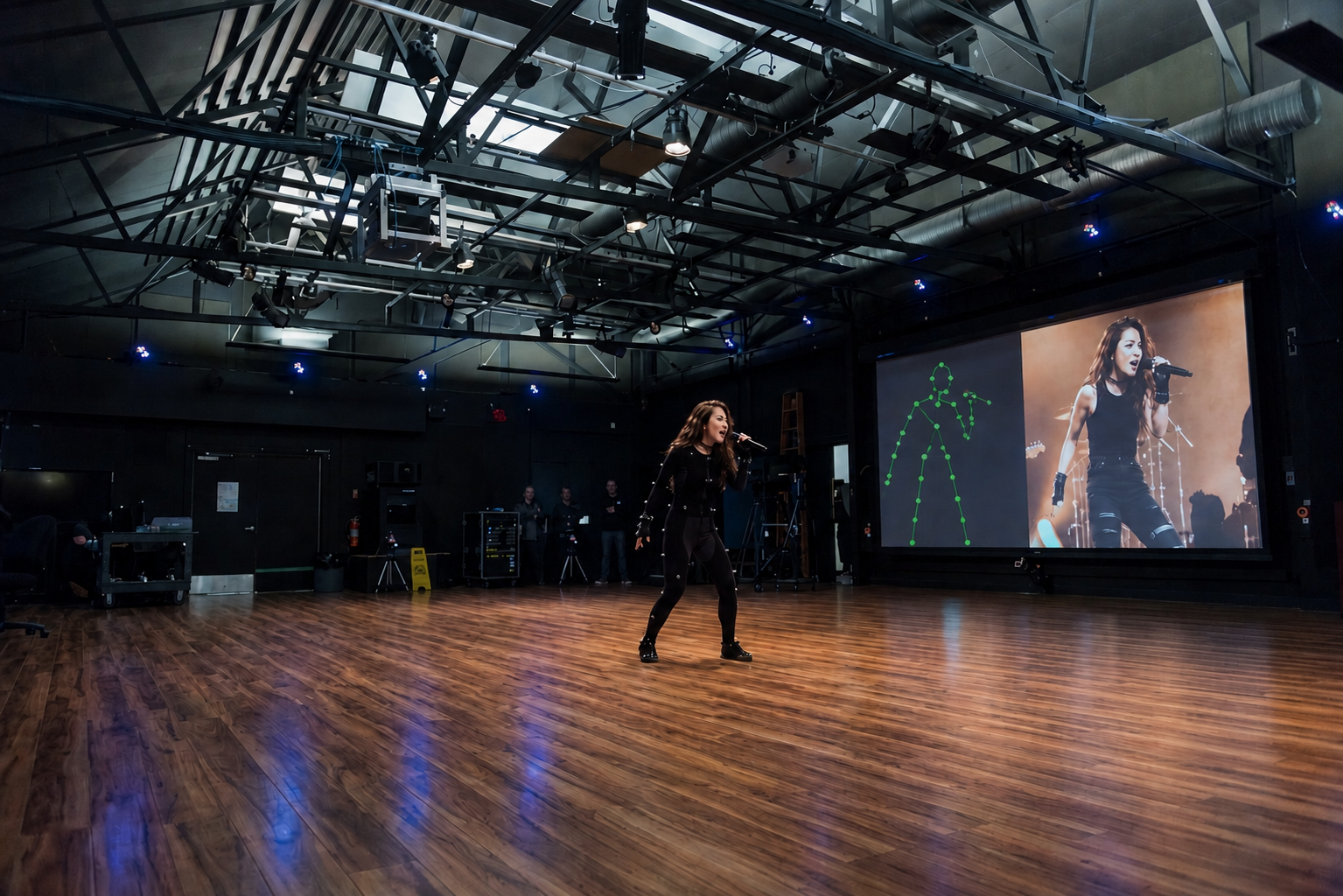
Every vercast doubles as a data generation engine. Production starts with solo performers captured via infrared cameras, marker-based suits, and iPhone facial tracking, before scaling to multi-subject theater and sports events. This high-fidelity dataset trains open source AI models to solve markerless multi-subject tracking and resolve body occlusions in real time without physical markers.
This trained AI pipeline powers three core platform capabilities: markerless full-body tracking for 5I and 4I MR users; real time markerless captures of complex live events; and local tracking gap filling for 5I MR, synthesizing natural facial expressions directly from voice audio and approximating finger movement between controller input.
Disruption
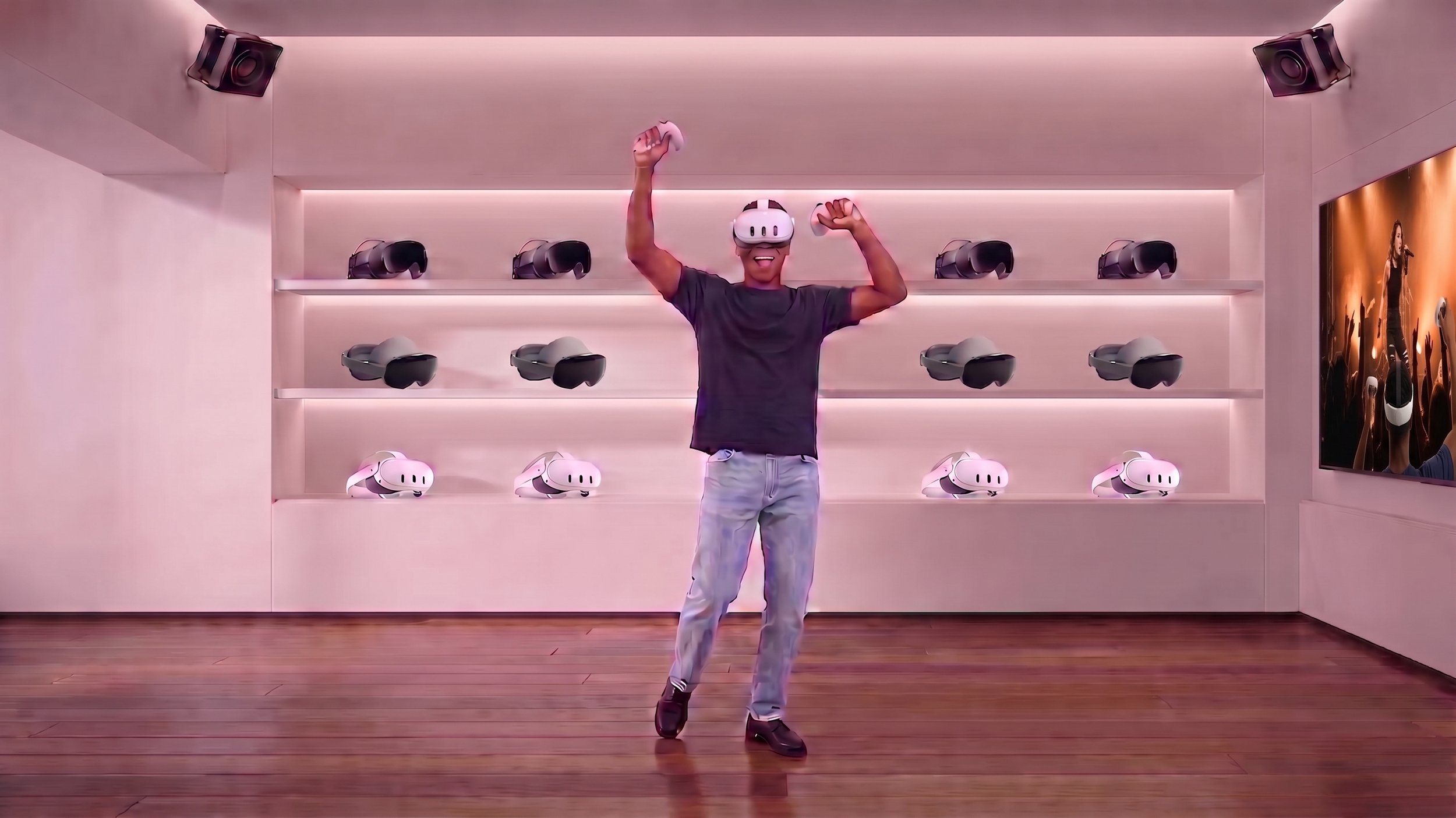
Verden Klike vertically integrates with Company-A, a distributed compute network installing liquid-cooled NVIDIA GPU nodes on residential buildings using untapped power grids, and Company-B, a leader in infrared motion-capture camera hardware. Through dedicated Co-MR retail showrooms, consumers can experience Verden Klike across various HMDs, rendered at peak fidelity via local Company-A nodes with Company-B markerless full-body tracking.
This partnership unlocks a highly disruptive go-to-market strategy: Company-A heavily subsidizes consumer Co-MR hardware bundles. By selling unused edge compute capacity from residential nodes to autonomous vehicle and robotics companies needing ultra-low-latency AI inference, Company-A offsets consumer equipment costs, dramatically reducing the price barrier to adopting high-end spatial computing.
Global Connection
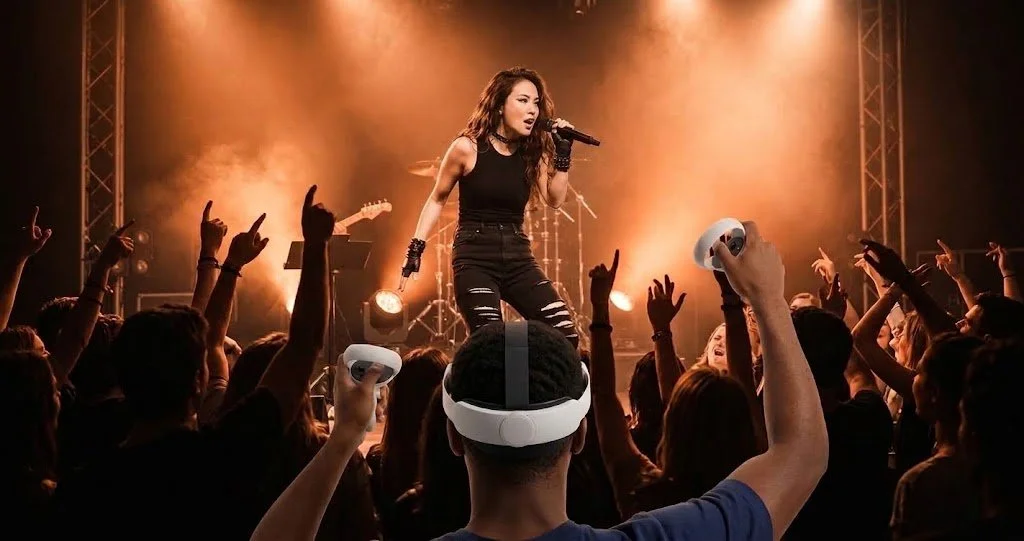
By unifying markerless AI tracking, and a self-subsidizing edge-compute ecosystem, Verden establishes a powerful foundation for community mixed reality. Leveraging strategic vertical integration with Company-A and Company-B allows the platform to solve the adoption barriers of high hardware costs and low visual fidelity simultaneously. Ultimately, Verden transforms that raw compute power into an accessible infrastructure for global connection.