

A BRIEF HISTORY
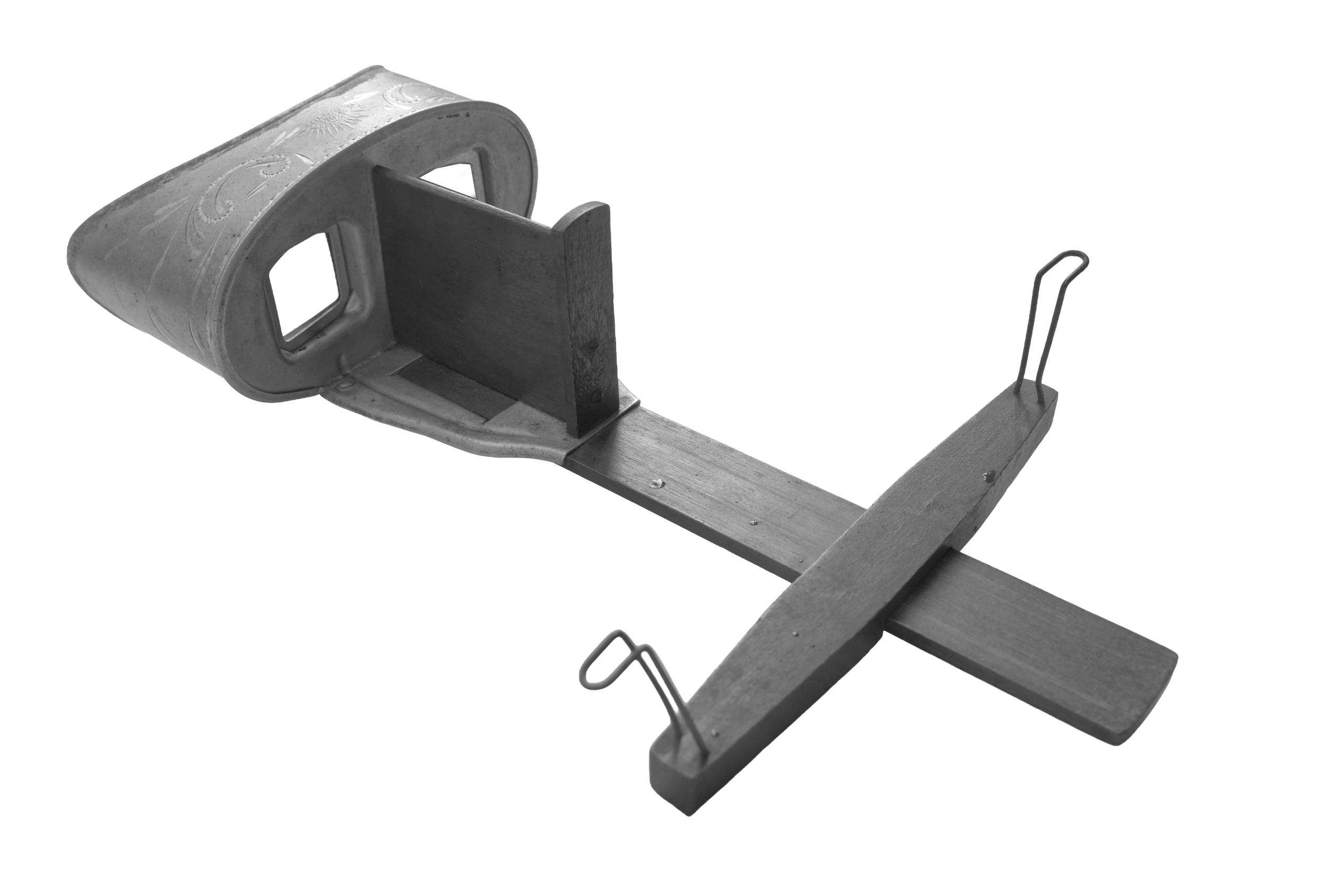
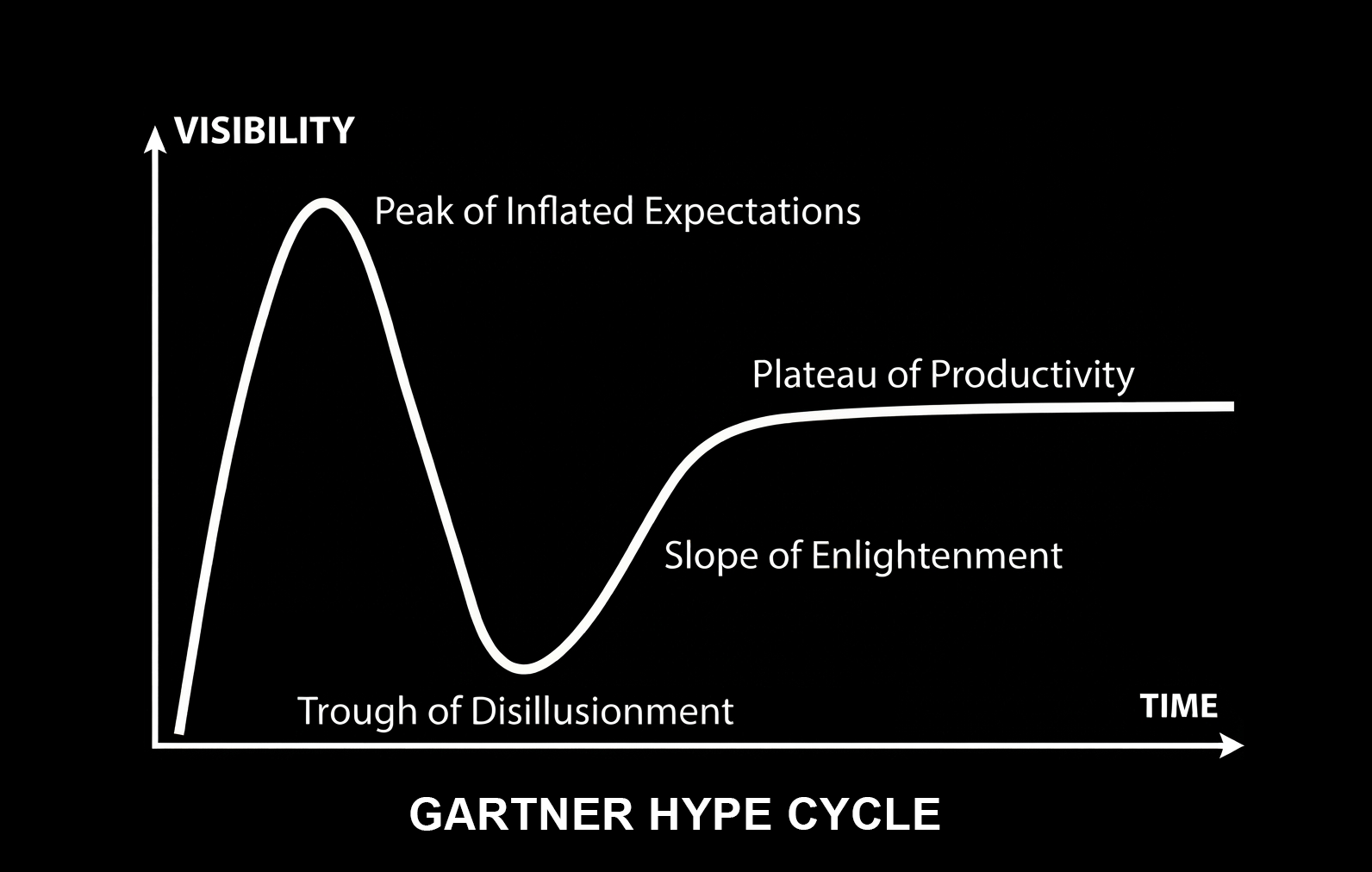
The history of the XR industry dates back almost two hundred years. The earliest stereoscopic zero DoF HMD was invented by Sir Charles Wheatstone and constructed for him by optician R. Murray in 1832. Since then spatial media has gone through numerous hype cycles due to its extraordinary potential. However, unlike other media such as recorded music or TV, where progress mainly meant moving from lower to higher fidelity, early XR technology experiences ranged from discomfort to outright nausea. Only now has it become advance (and comfortable) enough to enter its current slope of enlightenment.
Sword of Damocles
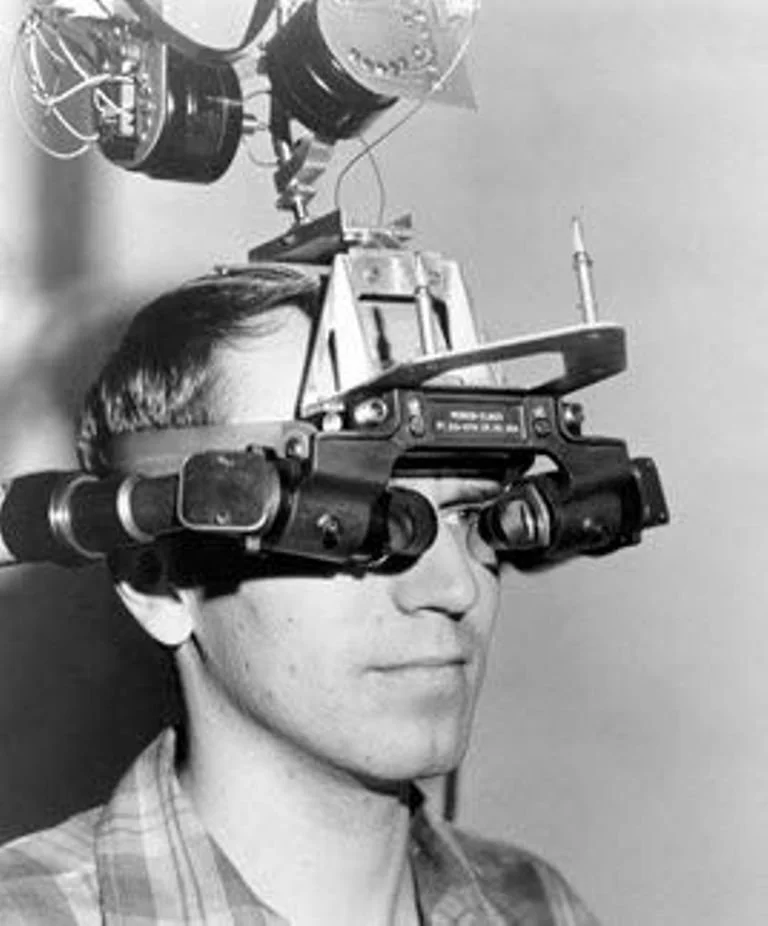
Introduced in 1968 by Ivan Sutherland and his students, the Sword of Damocles was the world’s first digital 6DoF XR device. Using mechanical head tracking, it continuously updated a stereoscopic computer generated wireframe scene based on the user's position and orientation, establishing the core visual interaction model still used by modern HMDs.
XR’s 90s Hype Cycle
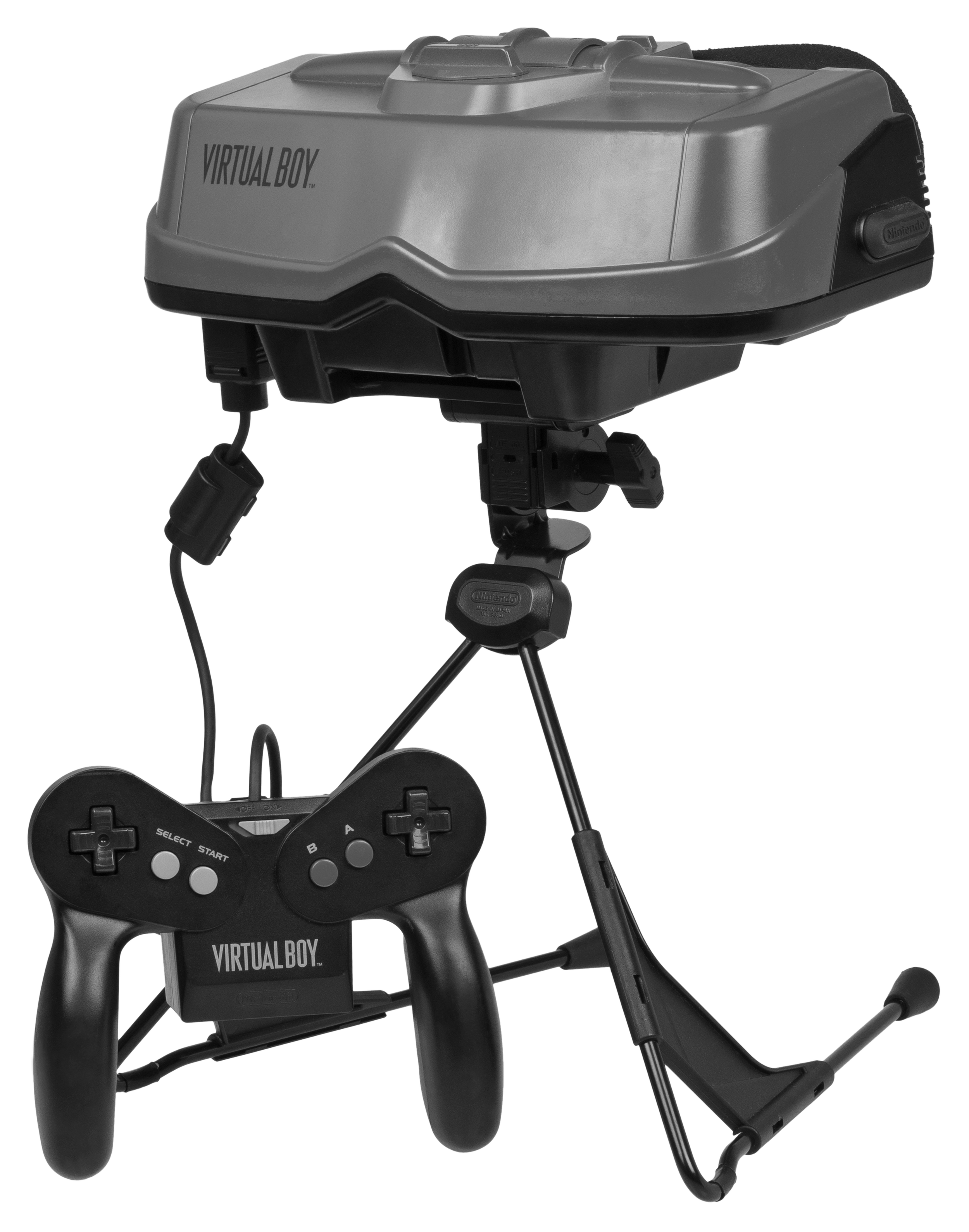
XR's previous hype cycle centered on virtual reality (VR) in the 1980s and 90s. Public awareness grew through William Gibson's seminal book, Neuromancer (1984) and media coverage of Jaron Lanier and his work at VPL Research (1985-90). This included VPL’s commercial VR products: the EyePhone (HMD), DataGlove (hand tracking), DataSuit (full body mocap), Reality Built For Two (Co-MR), and AudioSphere (spatial audio). The hype peaked a few years later with Nintendo's Virtual Boy (1995), and films like The Lawnmower Man (1992) and Johnny Mnemonic (1995).
The Virtual Boy's uncomfortable zero DoF tabletop design and low-frame-rate monochromatic display left consumers with an experience far removed from the high fidelity 6DoF worlds promised by popular media. This triggered a trough of disillusionment that lasted decades for the general public, but only a few years for researchers. The slope of enlightenment began for them in the late 1990s when university scientists started working on what would become hundreds of peer reviewed studies centered around VR’s efficacy in the assessment, understanding, and treatment of mental health disorders.
XR’s Current Hype Cycle
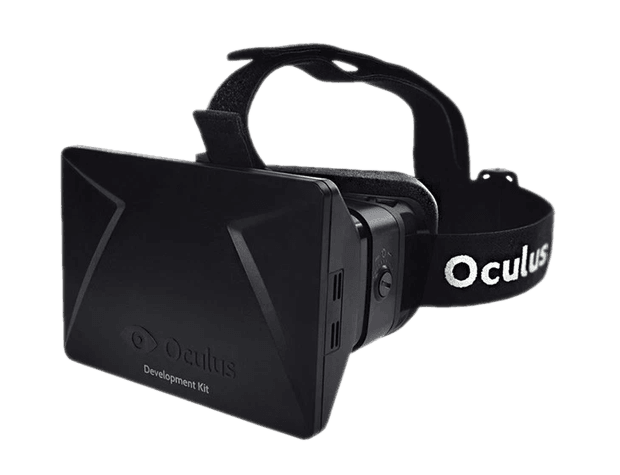
XR’s most recent hype cycle peaked in the 2010s, driven by a strong resurgence of consumer virtual reality. On the PC VR side, the Oculus Rift DK1 (2013) ignited interest, followed by the HTC Vive (developed in collaboration with Valve) in 2016. Mobile VR expanded access to tens of millions of people with Google Cardboard in 2014 and the Samsung Gear VR (in collaboration with Meta) in 2015. The cycle’s peak coincided with the release of the film Ready Player One in 2018.
Disillusionment
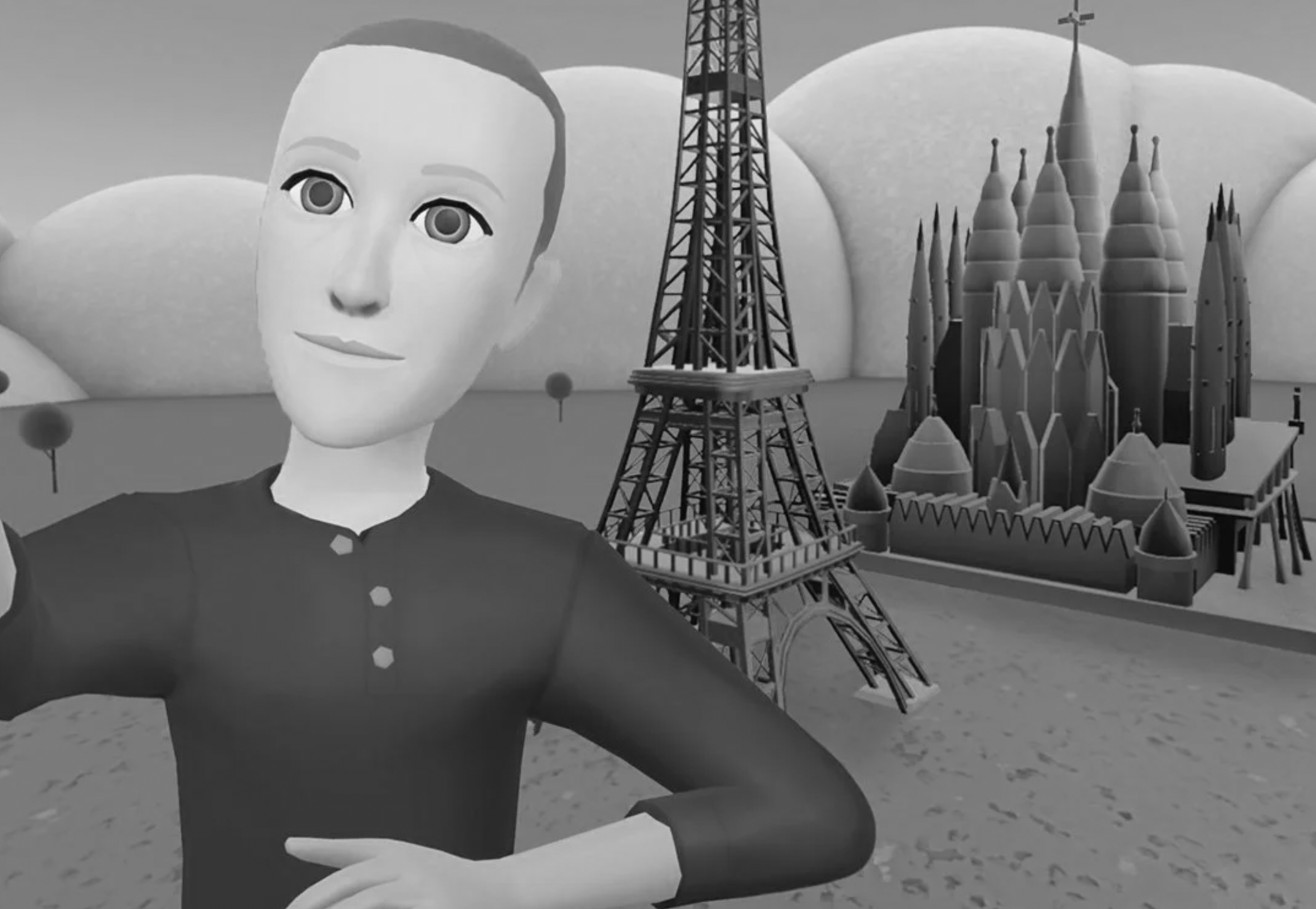
The problem was that the XR most of the population experienced was low-cost 3DoF smartphone VR, such as Google Cardboard (available for about $5) or the Gear VR that came bundled free with Samsung phones. With 3DoF, users could look around (pitch, yaw, roll), but any movement of their head in x, y, or z space immediately caused nausea. This happened because the vestibular system in the inner ear registered the physical head movement while the visuals in the headset did not match up.
In 2019, Meta released the Quest, the first 6DoF mobile VR headset, together with its flagship social VR platform Horizon Worlds, and rebranded the company around its vision of the “Metaverse.” This solved the 3DoF comfort issue, yet both the Quest and Horizon Worlds were essentially powered by smartphone level hardware. The resulting environments and avatars looked cartoonish, which broke the plausibility illusion for many. While popular among young children, most teens and adults who tried the experience did so only once and never returned.
Enlightenment
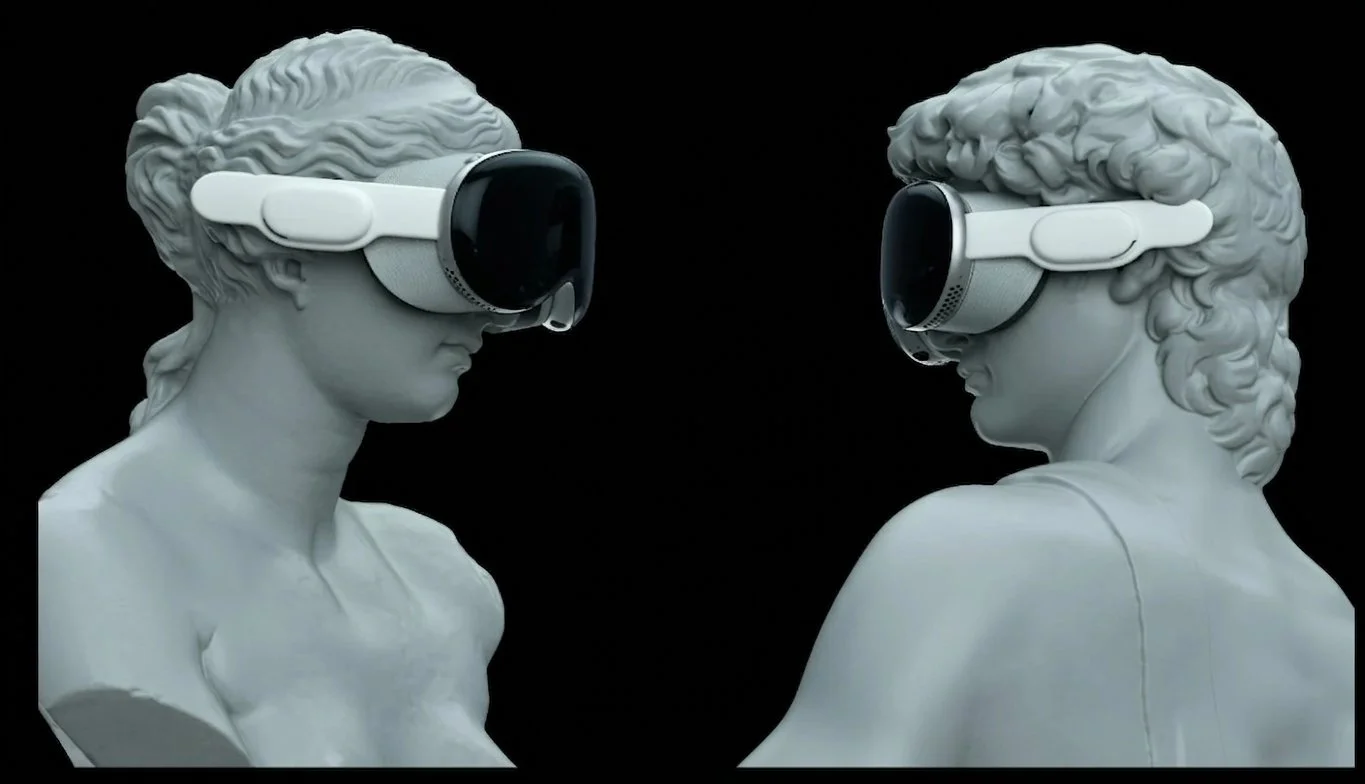
The XR industry is now entering a new phase centered on community mixed reality (Co-MR). Verden Klike is leading this transition with its global Co-MR platform. It is designed to address the rising loneliness epidemic by enabling deep connections through shared passions.